

Academic Research Areas
Our faculty are committed to excellence in teaching, research, and service to our university and the broader community. Our faculty is involved in a wide range of research areas, including these key areas: Cellular and Molecular Biology, Fisheries and Aquatic Biology, Physiological Ecology, Microbiology, Behavioral Ecology, Conservation Biology, and Wildlife Ecology.
› Cellular and Molecular Biology
› Fisheries and Aquatic Biology
› Physiological Ecology
› Microbiology
› Behavioral Ecology
› Conservation Biology
› Wildlife Ecology
Faculty Research Interests and Current Research Projects (PDF)
Cellular and Molecular Biology
Cellular and Molecular Biology explores the processes within and between cells, focusing on the molecular mechanisms that govern cell function and regulation. Faculty in our department study topics such as gene expression, molecular evolution, and genomics. Their work in this field contributes to advancements in genetic engineering, description of cell-level response to environmental cues, understanding disease mechanisms at the molecular level, and developing targeted therapies for various diseases, including cancer. This area of biology is fundamental to biomedical research, providing insights that drive innovations in diagnostics and treatment strategies. It also intersects with biotechnology and the computer and quantitative sciences, enabling the development of novel products and solutions in medicine and agriculture.
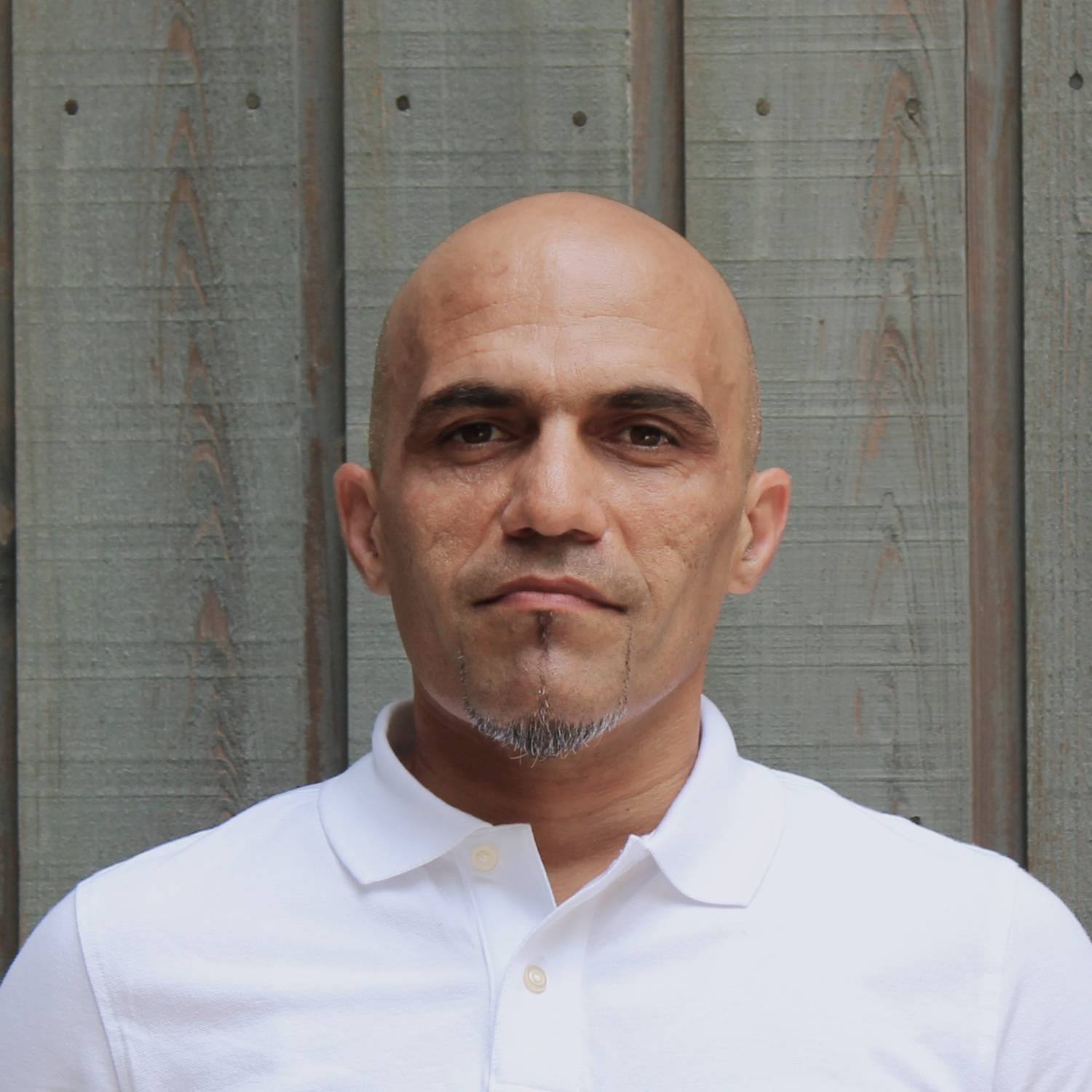
Mostafa Rahnama
Assistant Professor (Ph.D., University of Auckland, 2018)
Research Interest: Fungal genome evolution, chromosomal structures and dynamics, molecular mechanisms involved in the emergence and distribution of new diseases, use of fungi as natural pesticide

Carla Hurt
Professor (Ph.D., Arizona State University, 2005)
Research Interest: The processes of speciation and diversification in marine invertebrates and implications that these processes have on conservation of biodiversity. Specifically, I use a diversity of molecular tools to 1) identify taxonomic lineages and cryptic diversity, 2) reconstruct phylogenetic histories and the geographic context of species radiations, 3) examine ecological and developmental factors that promote and sustain species reef diversity and 4) assess the geographic structure of genetic variation within and marine symbiotic communities.

Hannah Kinmonth-Schultz
Assistant Professor (Ph.D., University of Washington Seattle, 2016)
Research Interest: Plant responses in complex, changing environments; flowering time; interactive effects of atmospheric carbon dioxide change on plant environmental perception; strategies to improve student confidence and resiliency; strategies to improve student content and skill retention
Current Research Projects: Mechanisms through which changes in atmospheric carbon dioxide levels influence flowering time; historic climate variables that have led to differences in environmental perception across plant populations; methods of instructional feedback to improve content and skill retention in STEM.
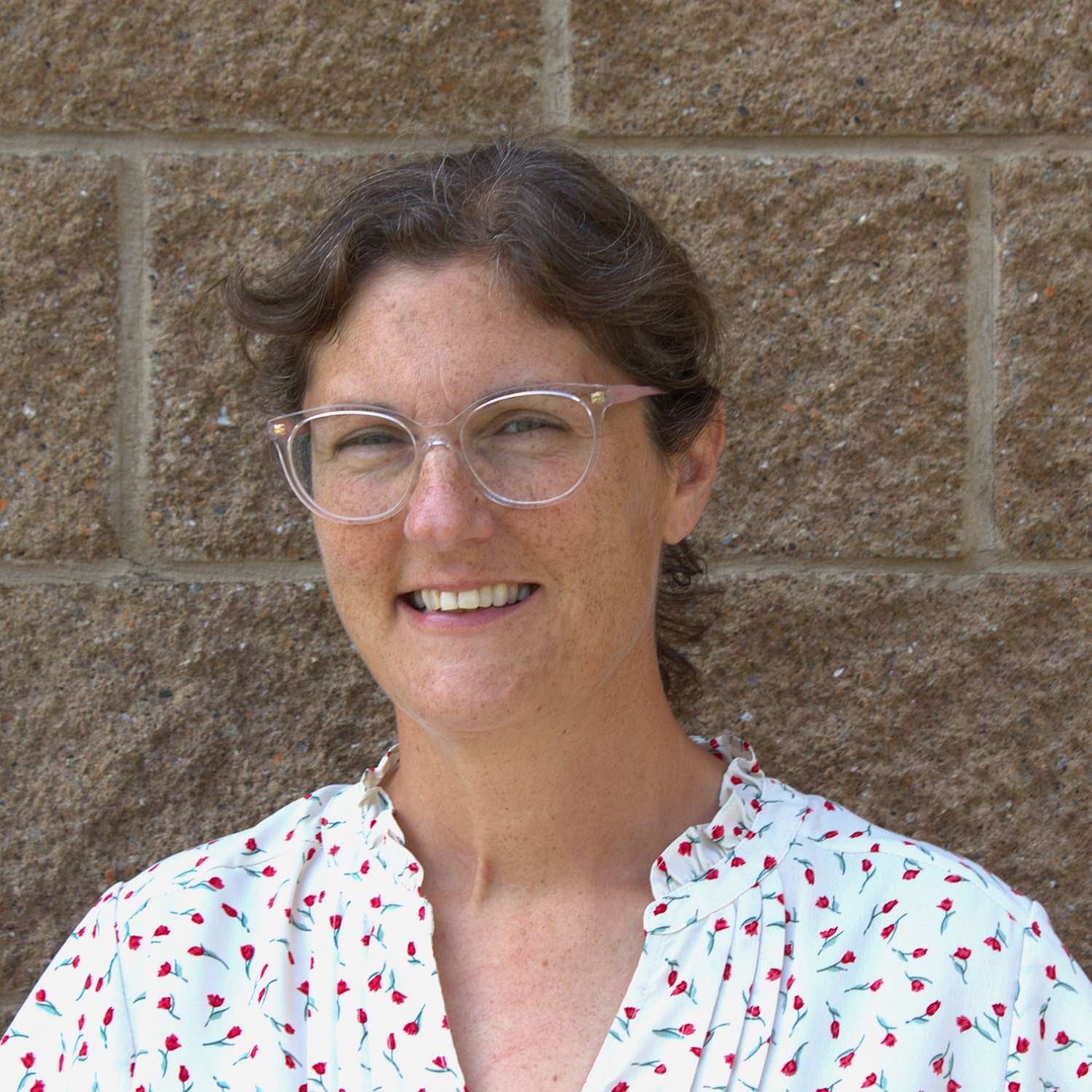
Shawn Zeringue-Krosnick
Professor (Ph.D., Ohio State University, 2006)
Research Interests: Plant taxonomy, molecular systematics, floral development, plant morphology and anatomy, and evolutionary developmental biology.
Current Research Projects: Evolution of CRC gene expression in Passiflora nectaries, developmental changes leading to dioecy in Old World Passiflora, evolution of self-compatibility in Australian Passiflora taxonomic revision of the Passiflora bilobate clade; monograph of Passiflora supersection Disemma
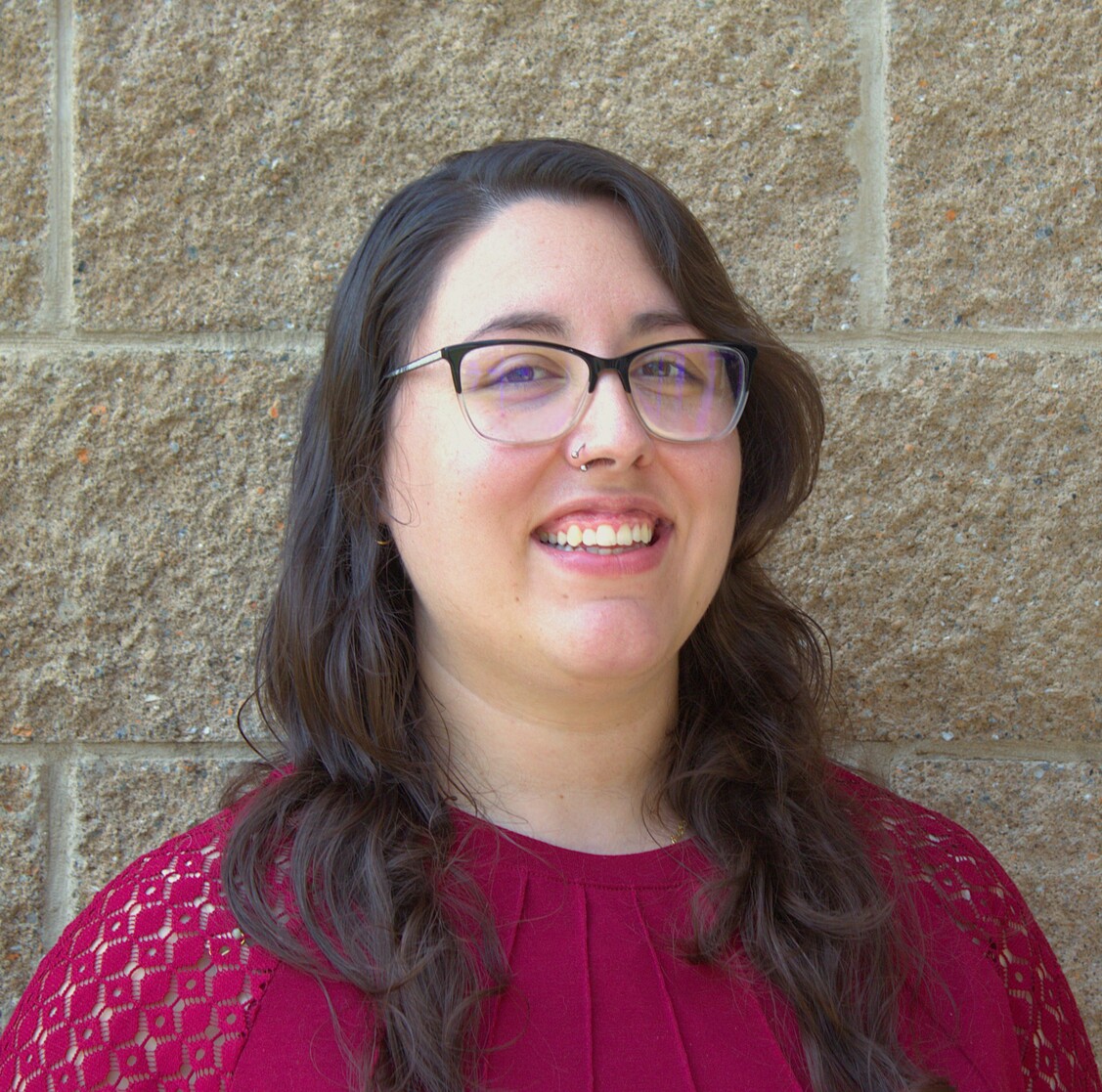
Alba Frias-De-Diego
Assistant Professor (Ph.D., North Carolina State University, 2022)
Research Interest: Infectious diseases, applied microbiology, One Health (connection of human, animal and environmental health).
Current Research Projects: Human health: a) Identification of yearly antimicrobial resistance gene trends from composite wastewater samples; b) Use of N-acyl hydrazones as antimicrobial therapy to treat polymicrobial (virus-bacteria) infections. Animal health: a) Development of a bacteriophage-based live vaccine to prevent bacterial infections in poultry hatcheries; b) Use of selenium as an immune enhancer to reduce the impact of infectious diseases in animals. Environmental health: a) Identification of bioindicators to determine the health of water-associated environments and communication of the importance of their conservation to non-scientist public
Fisheries and Aquatic Biology
Fisheries and Aquatic Biology is the study of aquatic ecosystems, focusing on the biology, ecology, and management of fishes and other aquatic organisms. Faculty in our department investigate population dynamics, species interactions, and the impacts of environmental changes on aquatic life. Applications of this research include the sustainable management of fisheries, conservation of endangered aquatic species, and the restoration of aquatic habitats. This research area plays a critical role in ensuring the health of aquatic ecosystems and the sustainability of resources that are vital for both biodiversity and human livelihoods. This research also informs policies and practices for managing water quality and aquatic biodiversity.

Chistopher (Kit) Wheeler
Associate Professor (Ph.D., Utah State University, 2014)
Research Interest: stream fish ecology, freshwater biodiversity conservation, flow ecology, quantitative population and community modeling.
Current Research Projects: Aquatic resource survey of Arnold Air Force Base; dynamic multistate models for stream fishes; quantifying nutrient inputs from migratory freshwater fishes; native fish conservation and ecology.

Mark Rogers
Professor (Ph.D., University of Florida, 2007)
Research Interest: Fisheries ecology and management, aquatic food webs, invasive species, population dynamics and modeling
Current Research Projects: Evaluation of Tennessee sport fisheries; Genetic evaluation of stocking success in Tennessee; Movement and lock and dam passage of Asian Carp; Relative densities of Asian Carp in the Tennessee and Cumberland River drainages; Evaluation of the effects of climate change and land use on fisheries harvests in lakes.
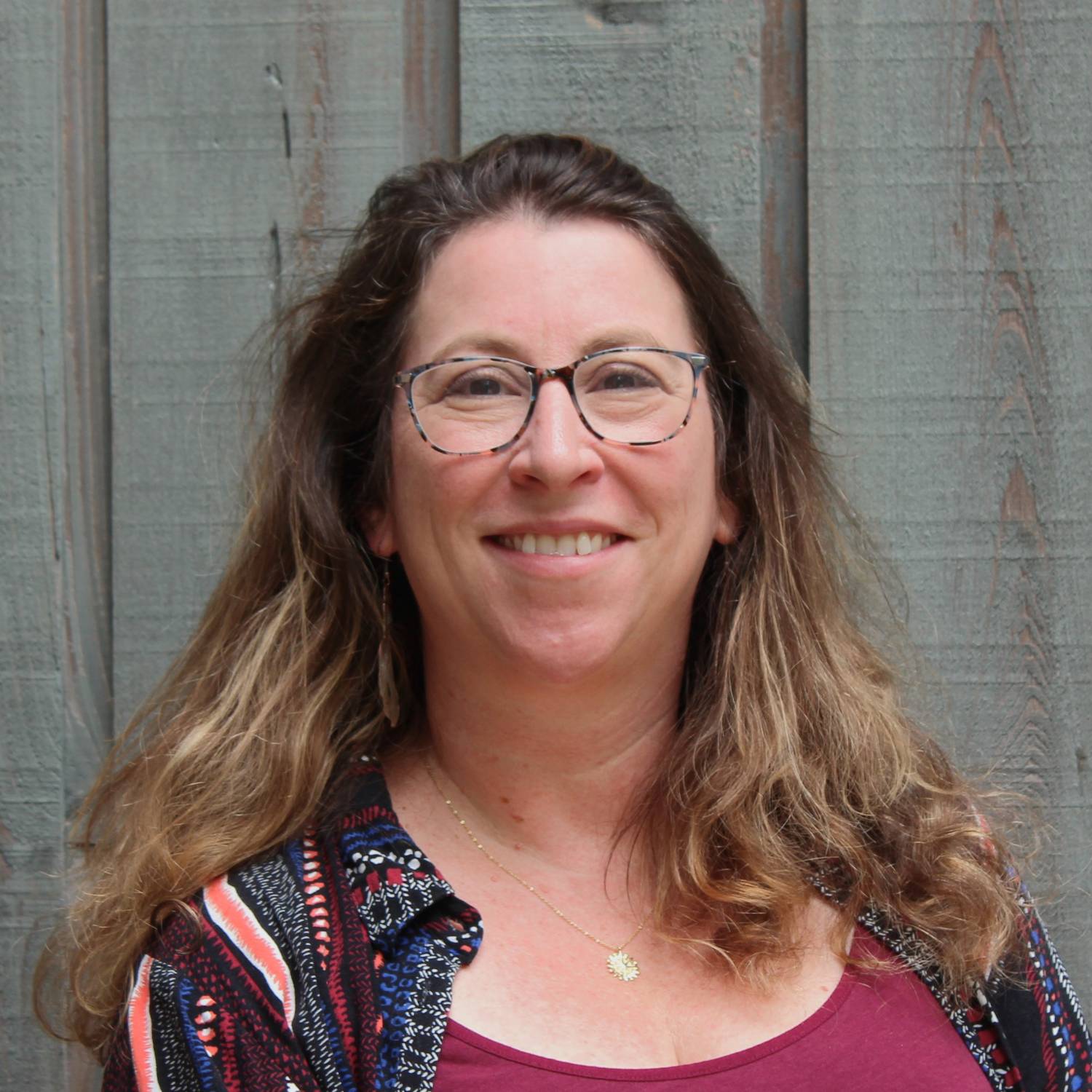
Amanda Rosenberger
Professor (Ph.D., Virginia Polytechnic Institute and State University, 2003)
Research Interest: Ecology and conservation of freshwater biota, including fish, mussels, and crayfish, with an emphasis on the role of ecological processes in shaping aquatic organisms’ distributions, population characteristics, and community structure

Brad Cook
Professor (Ph.D., Southern Illinois University, 1994)
Research Interest: Ecology of freshwater invertebrates; fish propagation; fish parasitology; feeding ecology and bioenergetics of freshwater fishes; and biotic indices.
Current Research Projects: Culture and performance of introduced southern Appalachian Brook Trout in Tennessee; colonization of aquatic macroinvertebrates following piscicide treatment.

James Wood
Assistant Professor (Ph.D., University of Georgia, 2017)
Research Interest: freshwater ecology structure and function as it relates to nutrients and carbon cycling, ecology of urban ecosystems, ecology of aquatic plants, and plant-animal interactions in aquatic ecosystems.
Current Research Projects: The ecology of the swift-water macrophyte Podostemum ceratophyllum, specifically relationships with macroinvertebrates and water velocity, effects of restoration of P. ceratophyllum on macroinvertebrate communities, biofilm assemblage on P. ceratophyllum haptera, ecology of the macrophyte Justicia americana, macroinvertebrate communities across urbanization gradients in the Allegheny Plateau, and effects of water chemistry on microbial respiration and breakdown rate of organic materials.
Physiological Ecology
Physiological ecology examines the mechanisms by which organisms respond to their environment. Mechanisms span the range of biological hierarchy from molecules to whole-organism performance, and the environments of interest, which range from microhabitats to global climate patterns. Faculty in our department explore topics such as energy balance, photosynthetic productivity, nutrient cycling, thermoregulation, reproductive physiology, stress physiology, and environmental signaling in a range of plant and animal species. Their research informs conservation strategies by determining how aspects of global change such as climate change, pollution, habitat alteration, or urbanization affect organismal function to identify vulnerable populations, establishing conservation priorities. Their work bridges the gap between organismal biology and environmental science, providing insights into how organisms cope with environmental challenges and contribute to ecosystem functioning.

Joshua Hall
Assistant Professor (Ph.D., Auburn University, 2020)
Research Interest: Ecological developmental biology, life-history evolution, and global change ecology of reptiles and amphibians.
Current Research Projects: Determining the effects of heat stress on embryo development and egg survival of reptiles; Characterizing maternal nesting behavior and its effects on offspring survival in salamanders; Integrating embryonic chronic and acute heat tolerance to predict species’ vulnerabilities to climate warming using Takydromus lizards (in collaboration with the Key Laboratory of Animal Ecology and Conservation Biology, Chinese National Academy of Sciences).
Hannah Kinmonth-Schultz
Assistant Professor (Ph.D., University of Washington Seattle, 2016)
Research Interest: Plant responses in complex, changing environments; flowering time; interactive effects of atmospheric carbon dioxide change on plant environmental perception; strategies to improve student confidence and resiliency; strategies to improve student content and skill retention
Current Research Projects: Mechanisms through which changes in atmospheric carbon dioxide levels influence flowering time; historic climate variables that have led to differences in environmental perception across plant populations; methods of instructional feedback to improve content and skill retention in STEM.
Chistopher (Kit) Wheeler
Associate Professor (Ph.D., Utah State University, 2014)
Research Interest: stream fish ecology, freshwater biodiversity conservation, flow ecology, quantitative population and community modeling.
Current Research Projects: Aquatic resource survey of Arnold Air Force Base; dynamic multistate models for stream fishes; quantifying nutrient inputs from migratory freshwater fishes; native fish conservation and ecology.
Amanda Rosenberger
Professor (Ph.D., Virginia Polytechnic Institute and State University, 2003)
Research Interest: Ecology and conservation of freshwater biota, including fish, mussels, and crayfish, with an emphasis on the role of ecological processes in shaping aquatic organisms’ distributions, population characteristics, and community structure
James Wood
Assistant Professor (Ph.D., University of Georgia, 2017)
Research Interest: freshwater ecology structure and function as it relates to nutrients and carbon cycling, ecology of urban ecosystems, ecology of aquatic plants, and plant-animal interactions in aquatic ecosystems.
Current Research Projects: The ecology of the swift-water macrophyte Podostemum ceratophyllum, specifically relationships with macroinvertebrates and water velocity, effects of restoration of P. ceratophyllum on macroinvertebrate communities, biofilm assemblage on P. ceratophyllum haptera, ecology of the macrophyte Justicia americana, macroinvertebrate communities across urbanization gradients in the Allegheny Plateau, and effects of water chemistry on microbial respiration and breakdown rate of organic materials.
Microbiology
Microbiology is the study of microorganisms, including bacteria, viruses, fungi, and protozoa, with a focus on their physiology, genetics, and interactions with their environments and hosts. Faculty in our department are interested in microbial diversity and function, pathogenic organisms, and regulation of fungal crop pests. Their work contributes to applied research in areas such as antibiotic resistance, infectious disease control, and biotechnology. Common applications include the development of new antimicrobial therapies, bioremediation techniques, and microbial applications in industrial processes. Microbiology is a cornerstone of biomedical and environmental sciences, contributing to our understanding of health, disease, and the global ecosystem.

David Beck
Assistant Professor (Ph.D., University of Virginia, 2005)
Research Interest: Infectious diseases of humans.
Current Research Projects: Currently finishing a project on tickborne diseases in Texas. We are developing a project on small colony variant Staphylococcus aureus which is commonly found in Cystic Fibrosis patients and other chronically infected patients.
Mostafa Rahnama
Assistant Professor (Ph.D., University of Auckland, 2018)
Research Interest: Fungal genome evolution, chromosomal structures and dynamics, molecular mechanisms involved in the emergence and distribution of new diseases, use of fungi as natural pesticide
Alba Frias-De-Diego
Assistant Professor (Ph.D., North Carolina State University, 2022)
Research Interest: Infectious diseases, applied microbiology, One Health (connection of human, animal and environmental health).
Current Research Projects: Human health: a) Identification of yearly antimicrobial resistance gene trends from composite wastewater samples; b) Use of N-acyl hydrazones as antimicrobial therapy to treat polymicrobial (virus-bacteria) infections. Animal health: a) Development of a bacteriophage-based live vaccine to prevent bacterial infections in poultry hatcheries; b) Use of selenium as an immune enhancer to reduce the impact of infectious diseases in animals. Environmental health: a) Identification of bioindicators to determine the health of water-associated environments and communication of the importance of their conservation to non-scientist public
Behavioral Ecology
Behavioral ecology explores the evolutionary causes and ecological effects of animal behavior, focusing on how behavior contributes to an organism's survival and reproductive success in its environment. Faculty in our department study topics such as mating strategies, foraging behavior, social interactions, migration, and nesting ecology. This research is crucial for understanding the adaptive significance of behaviors and how they evolve in response to ecological pressures. Applications include wildlife management, conservation planning, and mitigating the impacts of human activities on wildlife.

Christopher Brown
Associate Professor (Ph.D., University of Texas at Arlington, 1998)
Research Interest: Ecology, life history evolution, and behavior of terrestrial arthropods, primarily scorpions and spiders; understanding the effects of autotomy (limb loss) on ecology and behavior; arthropod food webs in riparian zones.
Current Research Projects: Ecology of a riparian wolf spider community in southeastern Arizona; submersion tolerance in riparian wolf spiders; effects of leg loss on behavior and ecology in Arizona wolf spiders; life history evolution in the Sky Island species of Vaejovis scorpions from Arizona; behavioral ecology of the native Tennessee scorpion Vaejovis carolinianus.
Joshua Hall
Assistant Professor (Ph.D., Auburn University, 2020)
Research Interest: Ecological developmental biology, life-history evolution, and global change ecology of reptiles and amphibians.
Current Research Projects: Determining the effects of heat stress on embryo development and egg survival of reptiles; Characterizing maternal nesting behavior and its effects on offspring survival in salamanders; Integrating embryonic chronic and acute heat tolerance to predict species’ vulnerabilities to climate warming using Takydromus lizards (in collaboration with the Key Laboratory of Animal Ecology and Conservation Biology, Chinese National Academy of Sciences).

Bradley Cohen
Associate Professor (Ph.D., University of Georgia, 2014)
Research Interest: Wildlife Ecology and management; animal physiology and behavior; predator-prey interactions; ecology and management of game animals.
Current Research Projects: Delineation of white-tailed deer management units in Tennessee; reproductive ecology of eastern wild turkeys; direct and indirect effects of prescribed fire on wild turkeys; male wild turkey mating systems; effects of hunters, natural predators, and harvest management strategies on wild turkey gobbling activity, behavior, and population growth; the effect of baiting on harvest susceptibility of white-tailed deer; population estimation and range expansion of black-bellied whistling ducks; translocation ecology of eastern wild turkeys in Texas; movements, space use, and behavior of brooding eastern wild turkeys.
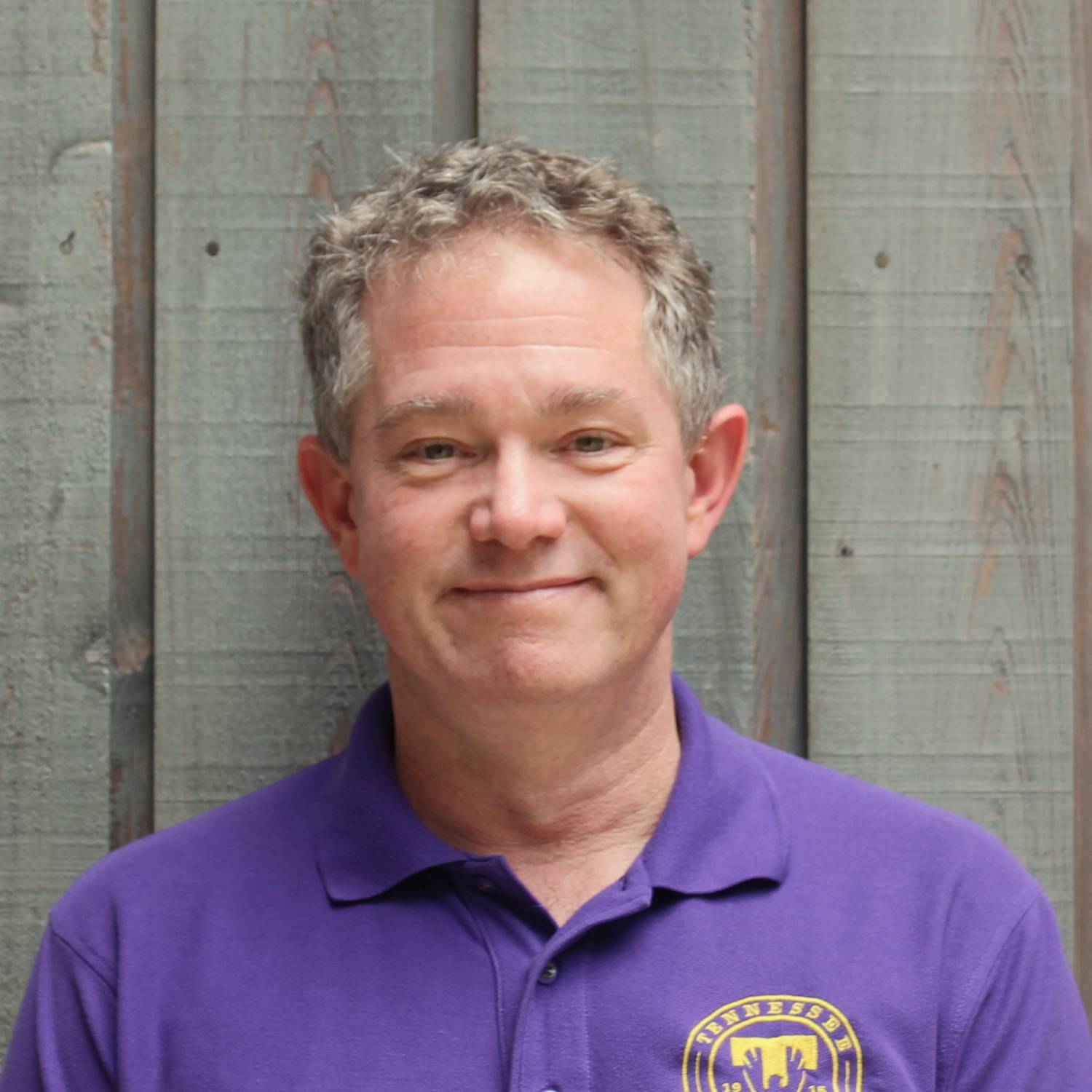
Steven Hayslette
Professor (Ph.D., Auburn University, 2001)
Research Interest: Wildlife ecology and management; avian ecology, behavior, and nutrition; ecology and management of upland game birds.
Current Research Projects: Physiological indices of habitat quality in northern bobwhites; mechanism of diet selection in avian granivores; seed selection and agonistic behavior of non-targets at bird feeders.
Conservation Biology
Conservation biology is dedicated to understanding and preserving the Earth's biodiversity, focusing on the protection of species, habitats, and ecosystems. Faculty in our department study the causes and consequences of biodiversity loss, and develop strategies to mitigate these impacts. Their work informs the design and implementation of protected areas, restoration of degraded habitats, and the development of conservation policies in the field and in urban and agricultural settings. This field is critical in addressing the challenges posed by habitat destruction, climate change, and invasive species, aiming to sustain the planet's biodiversity for future generations. This field often integrates ecological, genetic, and social sciences to create comprehensive conservation solutions.

Brian Carver
Associate Professor (Ph.D., University of Memphis, 2009)
Research Interest: Mammalian community dynamics, conservation of rare mammals, bat biology management.
Current Research Projects: Effect of acoustic detector type and microphone directionality on the detection of bats; impact of eastern hemlock stands on small mammal community composition; status and ecology of eastern spotted skunks (Spilogale putorius) in Tennessee.
Carla Hurt
Professor (Ph.D., Arizona State University, 2005)
Research Interest: The processes of speciation and diversification in marine invertebrates and implications that these processes have on conservation of biodiversity. Specifically, I use a diversity of molecular tools to 1) identify taxonomic lineages and cryptic diversity, 2) reconstruct phylogenetic histories and the geographic context of species radiations, 3) examine ecological and developmental factors that promote and sustain species reef diversity and 4) assess the geographic structure of genetic variation within and marine symbiotic communities.
Shawn Zeringue-Krosnick
Professor (Ph.D., Ohio State University, 2006)
Research Interests: Plant taxonomy, molecular systematics, floral development, plant morphology and anatomy, and evolutionary developmental biology.
Current Research Projects: Evolution of CRC gene expression in Passiflora nectaries, developmental changes leading to dioecy in Old World Passiflora, evolution of self-compatibility in Australian Passiflora taxonomic revision of the Passiflora bilobate clade; monograph of Passiflora supersection Disemma
Hannah Kinmonth-Schultz
Assistant Professor (Ph.D., University of Washington Seattle, 2016)
Research Interest: Plant responses in complex, changing environments; flowering time; interactive effects of atmospheric carbon dioxide change on plant environmental perception; strategies to improve student confidence and resiliency; strategies to improve student content and skill retention
Current Research Projects: Mechanisms through which changes in atmospheric carbon dioxide levels influence flowering time; historic climate variables that have led to differences in environmental perception across plant populations; methods of instructional feedback to improve content and skill retention in STEM.
Bradley Cohen
Associate Professor (Ph.D., University of Georgia, 2014)
Research Interest: Wildlife Ecology and management; animal physiology and behavior; predator-prey interactions; ecology and management of game animals.
Current Research Projects: Delineation of white-tailed deer management units in Tennessee; reproductive ecology of eastern wild turkeys; direct and indirect effects of prescribed fire on wild turkeys; male wild turkey mating systems; effects of hunters, natural predators, and harvest management strategies on wild turkey gobbling activity, behavior, and population growth; the effect of baiting on harvest susceptibility of white-tailed deer; population estimation and range expansion of black-bellied whistling ducks; translocation ecology of eastern wild turkeys in Texas; movements, space use, and behavior of brooding eastern wild turkeys.
Amanda Rosenberger
Professor (Ph.D., Virginia Polytechnic Institute and State University, 2003)
Research Interest: Ecology and conservation of freshwater biota, including fish, mussels, and crayfish, with an emphasis on the role of ecological processes in shaping aquatic organisms’ distributions, population characteristics, and community structure
Chistopher (Kit) Wheeler
Associate Professor (Ph.D., Utah State University, 2014)
Research Interest: stream fish ecology, freshwater biodiversity conservation, flow ecology, quantitative population and community modeling.
Current Research Projects: Aquatic resource survey of Arnold Air Force Base; dynamic multistate models for stream fishes; quantifying nutrient inputs from migratory freshwater fishes; native fish conservation and ecology.
Steven Hayslette
Professor (Ph.D., Auburn University, 2001)
Research Interest: Wildlife ecology and management; avian ecology, behavior, and nutrition; ecology and management of upland game birds.
Current Research Projects: Physiological indices of habitat quality in northern bobwhites; mechanism of diet selection in avian granivores; seed selection and agonistic behavior of non-targets at bird feeders.
Wildlife Ecology
Wildlife Ecology studies the interactions between wildlife species and their environments, focusing on understanding population dynamics, species distribution, and ecosystem roles of animals. Research in this field often involves tracking animal movements, studying habitat use, and assessing the impacts of environmental changes on wildlife. Applications include the management and conservation of wildlife populations, the design of protected areas, and strategies for mitigating human-wildlife conflicts. This field is essential for maintaining biodiversity and ecosystem health, informing policies and practices that support sustainable coexistence between human activities and wildlife populations. Our faculty’s work contributes to global efforts in biodiversity conservation and ecological restoration.
Steven Hayslette
Professor (Ph.D., Auburn University, 2001)
Research Interest: Wildlife ecology and management; avian ecology, behavior, and nutrition; ecology and management of upland game birds.
Current Research Projects: Physiological indices of habitat quality in northern bobwhites; mechanism of diet selection in avian granivores; seed selection and agonistic behavior of non-targets at bird feeders.
Bradley Cohen
Associate Professor (Ph.D., University of Georgia, 2014)
Research Interest: Wildlife Ecology and management; animal physiology and behavior; predator-prey interactions; ecology and management of game animals.
Current Research Projects: Delineation of white-tailed deer management units in Tennessee; reproductive ecology of eastern wild turkeys; direct and indirect effects of prescribed fire on wild turkeys; male wild turkey mating systems; effects of hunters, natural predators, and harvest management strategies on wild turkey gobbling activity, behavior, and population growth; the effect of baiting on harvest susceptibility of white-tailed deer; population estimation and range expansion of black-bellied whistling ducks; translocation ecology of eastern wild turkeys in Texas; movements, space use, and behavior of brooding eastern wild turkeys.
Brian Carver
Associate Professor (Ph.D., University of Memphis, 2009)
Research Interest: Mammalian community dynamics, conservation of rare mammals, bat biology management.
Current Research Projects: Effect of acoustic detector type and microphone directionality on the detection of bats; impact of eastern hemlock stands on small mammal community composition; status and ecology of eastern spotted skunks (Spilogale putorius) in Tennessee.